



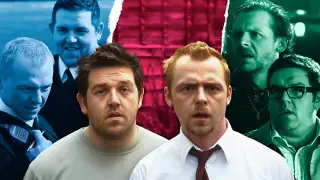
Edgar Wright's "Three Flavours Cornetto" trilogy is more than just a playful nod to ice cream flavors. Each film, written by Wright and star Simon Pegg, not only features a different flavor of Cornetto but also embodies a distinct cinematic genre. Yet, beneath the surface lies a deeper connection—themes that resonate across all three films, much like the recurring visual gags and shared casts.
The trilogy began with "Shaun of the Dead" in 2004, a film that introduced the world to Wright, Pegg, and Nick Frost’s unique comedic sensibilities. It masterfully blends romantic slacker comedy with intense zombie horror as Shaun (Pegg) and his best friend Ed (Frost) navigate a full-blown zombie apocalypse. Their mission? To rescue Shaun's ex-girlfriend Liz (Kate Ashfield) and his mother Barbara (Penelope Wilton), ultimately seeking refuge at their local pub, the Winchester.
"Shaun of the Dead" was groundbreaking, seamlessly blending romance, humor, and terror. Its standout action sequence set to Queen’s “Don’t Stop Me Now” showcases Wright's knack for high-octane choreography, culminating in a visceral, gory climax. The strawberry Cornetto featured in the film feels fittingly symbolic, mirroring the splashes of blood and gore throughout. While the film remains timeless in its comedy, save for one dated joke, its characters' immaturity and somewhat blurred lessons about growth prevent it from being the pinnacle of the trilogy. As Wright and Pegg evolved as filmmakers, so too did their storytelling.
In 2007, "Hot Fuzz" arrived, elevating the series with its sharp take on the buddy cop genre. Here, Pegg plays Nicholas Angel, an overachieving London police officer reassigned to the quaint town of Sandford, where he partners with Frost’s hilariously incompetent Danny Butterman. Together, they uncover sinister secrets behind a string of violent deaths. This film is a love letter to action cinema, brimming with homages and references that highlight Wright and Pegg’s deep affection for the genre. The Classico Cornetto—vanilla with chocolate and nuts—mirrors the film’s classic, distilled essence. For many, "Hot Fuzz" stands as the ultimate triumph of the trilogy, refining the strengths of its predecessor while adding layers of complexity.
However, it is the final installment, "The World’s End," released in 2013, that cements the trilogy’s emotional depth. Centering around Gary King (Pegg), a middle-aged alcoholic clinging to his youth, the film explores themes of nostalgia, regret, and personal growth. As Gary drags his reluctant friends through a pub crawl, they discover that the townsfolk have been replaced by alien robots, setting the stage for both a sci-fi adventure and an introspective journey. The mint-flavored Cornetto here serves as a clever nod to the green-skinned invaders but also symbolizes the mature, reflective tone of the narrative.
Unlike its predecessors, "The World’s End" doesn't shy away from messy, complicated truths. Its protagonist is flawed yet deeply human, embodying the struggles of aging and adapting to change. The film’s ending, as nuanced as its central character, leaves audiences divided but undeniably moved. It reminds us of the beauty of free will and the lengths we go to preserve it—a poignant message that resonates even more as life grows increasingly complex.
As time passes, the resonance of these films shifts. What once seemed lighthearted now carries weightier significance. One can only imagine what another chapter might bring—a story exploring the challenges of entering one’s fifties or sixties, further enriching the tapestry of this beloved trilogy. Until then, the "Cornetto" trilogy remains a testament to Edgar Wright’s genius, offering laughter, thrills, and profound insights into the human experience.