



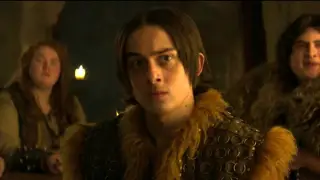
There’s an undeniable charm in revisiting the world of “How to Train Your Dragon,” and Dean DeBlois’ live-action adaptation stays true to its roots while adding subtle nuances that breathe new life into familiar characters. Hiccup, portrayed this time by Mason Thames, remains the reluctant Viking who discovers his heart lies not in slaying dragons but befriending them. His journey to convince the islanders of Berk to embrace these once-feared creatures mirrors the original's spirit, yet it is through quieter moments that DeBlois enriches the narrative.
Between test flights and discovering the quirks of flame-spitting beasts, the director finds room to deepen one character in particular: Snotlout Jorgenson, played with gusto by Gabriel Howell. Once voiced by Jonah Hill in the 2010 film, Snotlout retains his pompous arrogance as he vies for Astrid’s affection—now brought to life by Nico Parker instead of America Ferrera. But beneath the brash exterior lies a vulnerability rooted in his desire to connect with his father, Spitelout (Peter Serafinowicz). This layer adds depth to Snotlout’s antics, making his behavior more relatable. The comedic timing between Serafinowicz and his son shines, especially during scenes where Spitelout advises against speaking to each other in public. Ultimately, much like Hiccup and Stoick the Vast (Gerard Butler, reprising his role from the animated series), the Jorgensons reconcile by the story's end, offering a poignant reminder of familial bonds.
Astrid, too, undergoes a slight evolution that elevates her presence within the tale. Thanks to Parker’s compelling performance, she aligns seamlessly with her animated counterpart while carving out unique moments to shine. A standout scene occurs near the climax when Hiccup entrusts leadership to Astrid, allowing her to issue commands typically reserved for him. This decision underscores her strength and equality alongside Hiccup, reinforcing their partnership as one built on mutual respect and admiration. It’s a small yet significant shift that enhances both her character arc and the authenticity of their blossoming romance.
For all its fidelity to the source material, the film hints at potential for growth in future installments. While this iteration largely mirrors the original, there’s intrigue in imagining how DeBlois might expand beyond the established flightpath when “How to Train Your Dragon 2” arrives in theaters in 2027. By daring to delve deeper into character arcs and exploring untapped dynamics, subsequent films could offer fresh perspectives while honoring the beloved foundation laid before.
“How to Train Your Dragon” invites audiences back to Berk with warmth and familiarity, proving that even remakes can soar if they dare to explore the hearts of those who inhabit their worlds. The film is now playing in theaters.